Yamaha NS-2000A: Japanese Precision Meets Musical Soul
Yamaha needs no introduction. Born in 1887 as Nippon Gakki Co. Ltd., a humble reed organ manufacturer, it has become a Japanese juggernaut, touching everything from motorcycles to pianos, outboard motors to mixing consoles. You want the full spectrum of music creation? Yamaha owns it: the instruments you compose on, the gear you record with, and the systems you play it back on. They see the entire creative cycle, in a way almost no one else can. And the NS-2000A? It proves that insight still matters.
Back in Black
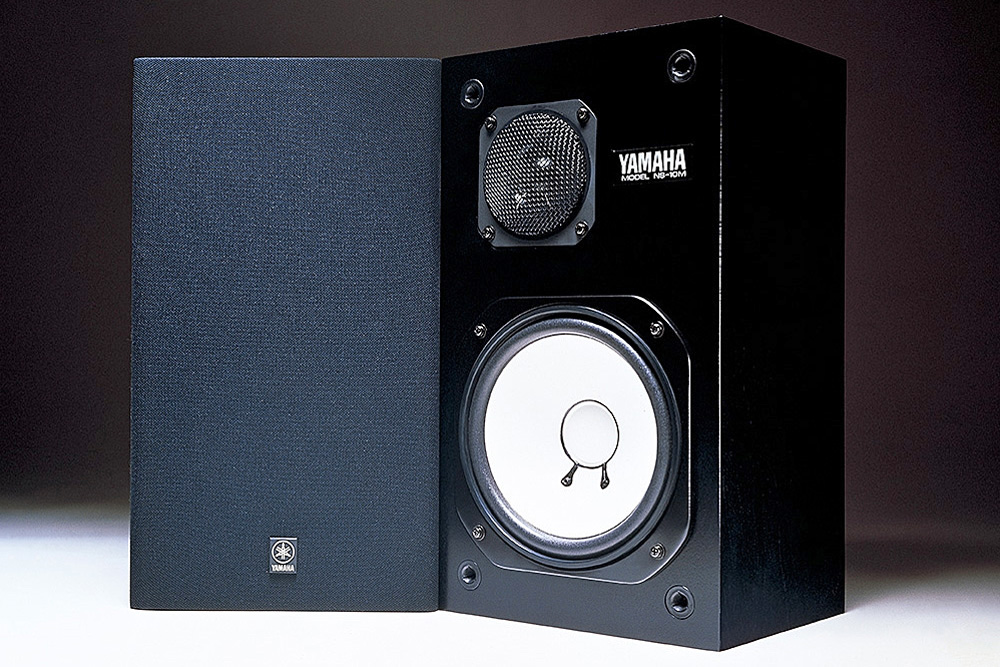
Let’s get one thing straight: Yamaha doesn’t flirt with mediocrity. Take the NS-10M—ugly, brutal, midrange assassins of a speaker that made legendary producers like Bob Clearmountain and Bill Scheniman sweat when mixes didn’t measure up. Not pretty, not sweet—but brutally honest. You learned more from an NS-10M than a thousand albums.
Then there was the NS-1000M, the holy grail. Fast, precise, with off-axis clarity that made audiophiles swoon. Beryllium tweeters, impeccable build, a tonal map of what was possible. Introduced in 1974, it was as much a laboratory tool as a living room indulgence, still revered decades later. I own two pairs—one piano black, one stripped and waiting for resurrection. Both will see life again with new crossovers. That’s commitment.
The New Contender
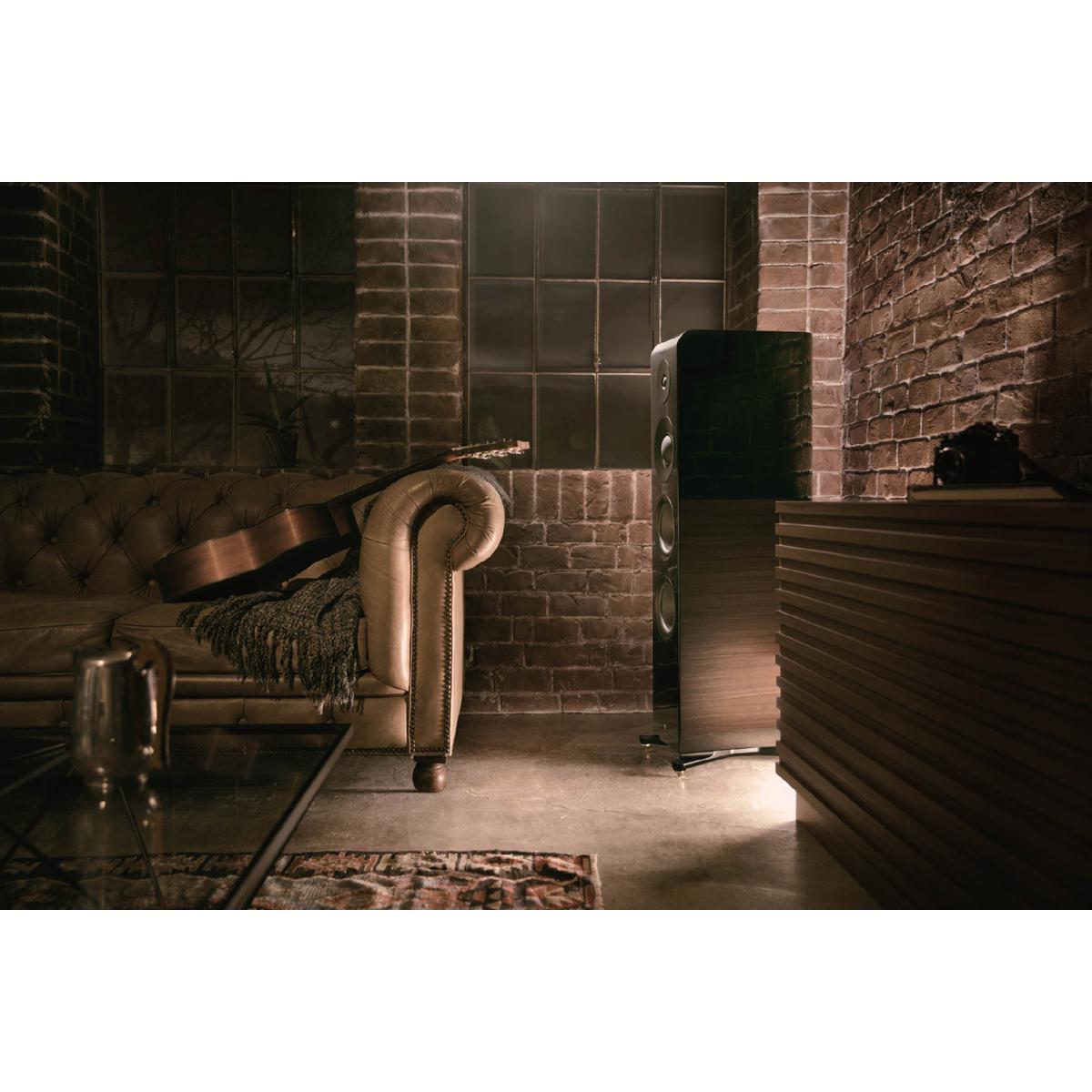
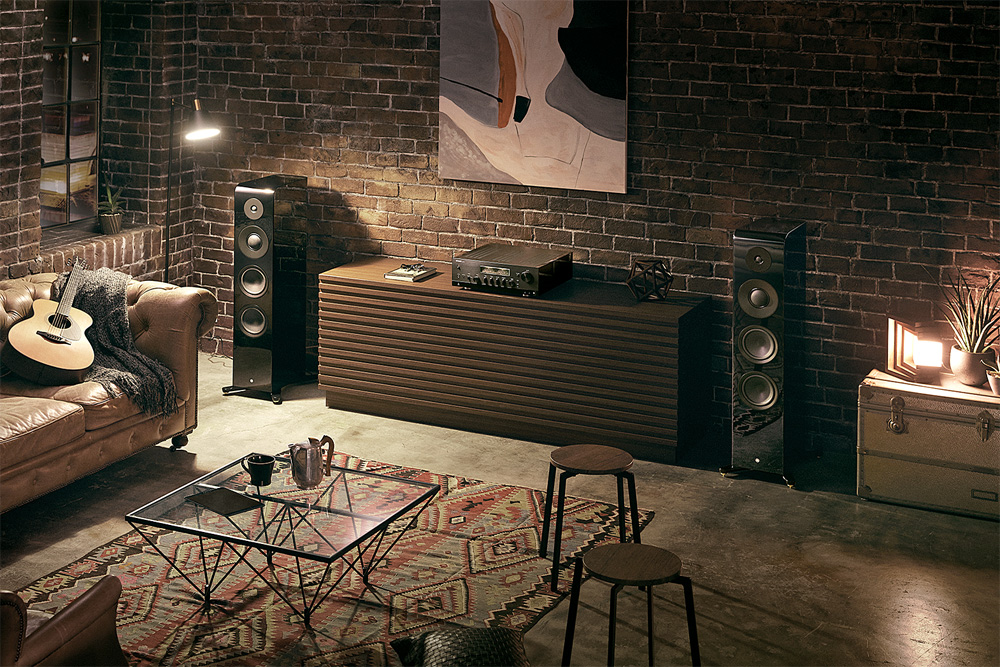
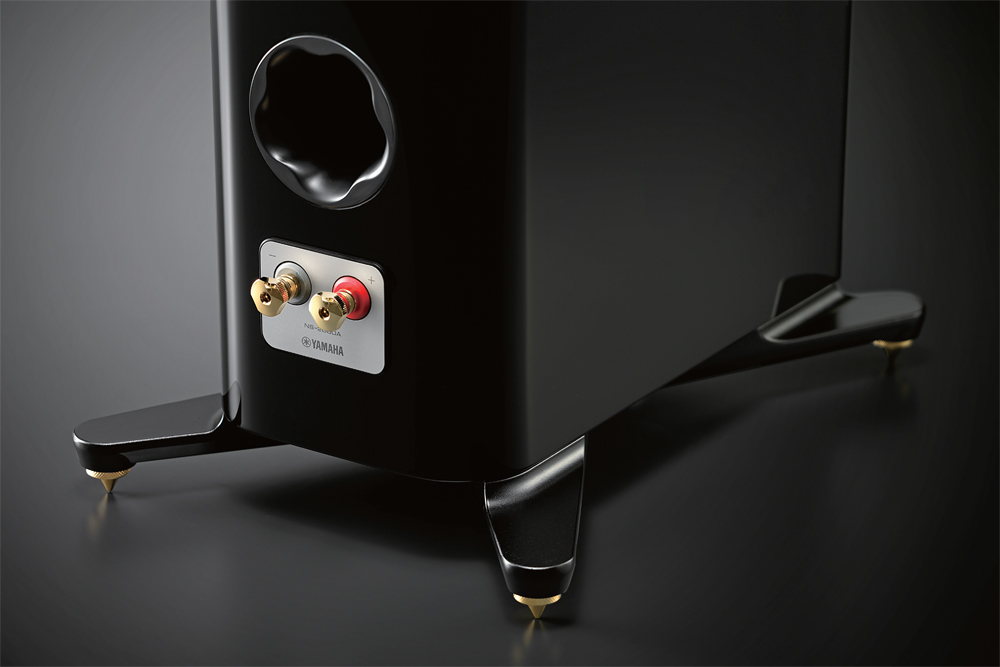
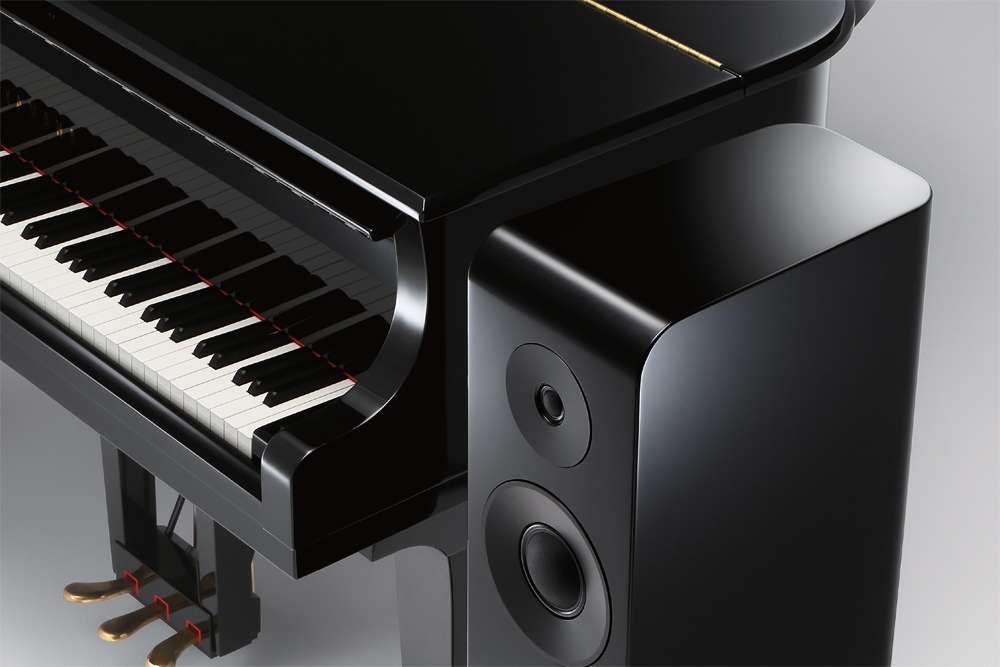
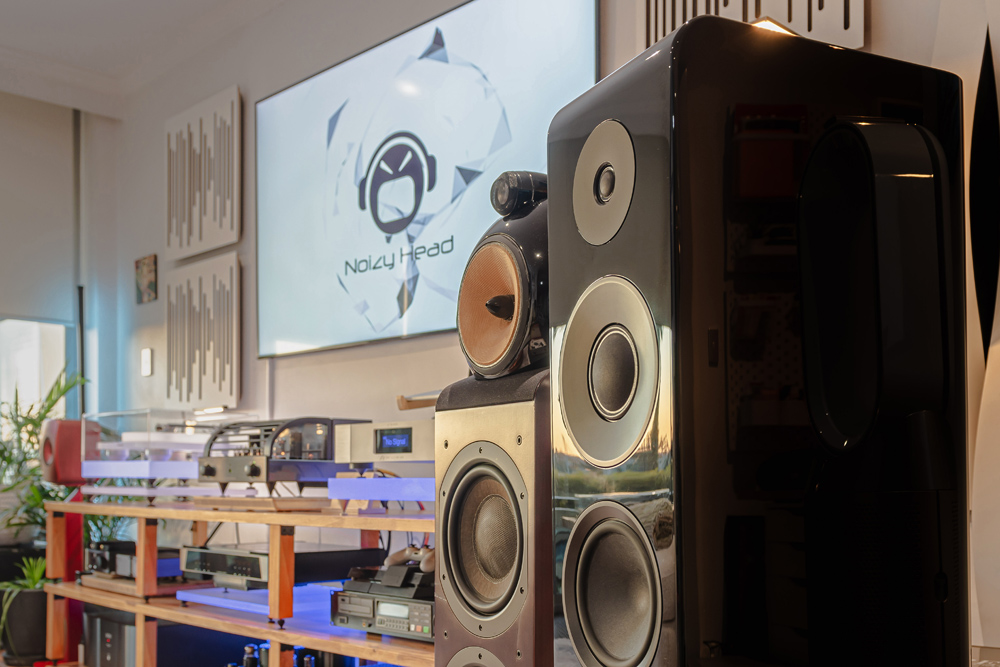
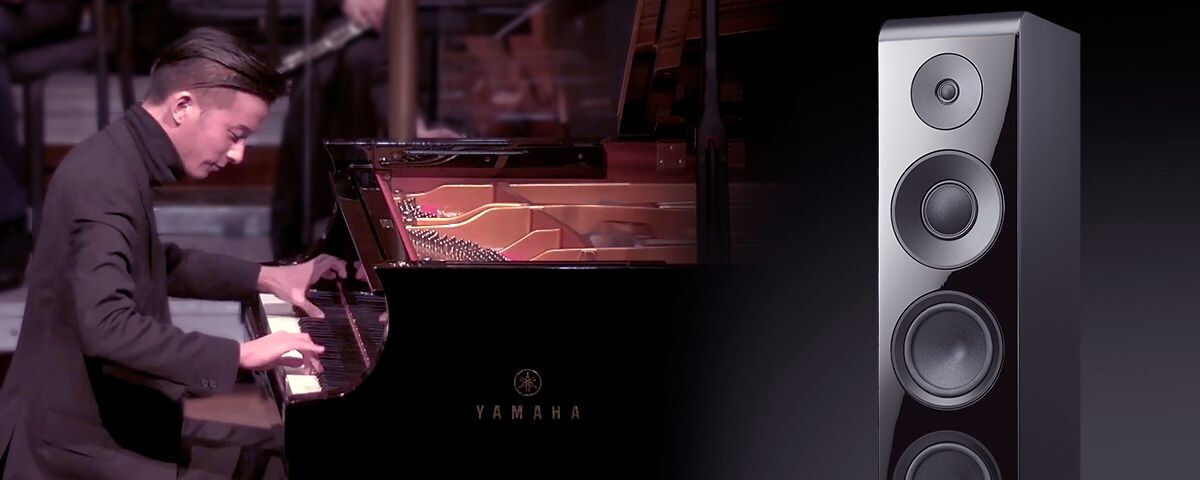
Enter the NS-2000A: a floorstander that doesn’t whisper promises—it delivers. Standing taller than my Bowers & Wilkins 802s, weighing a solid 32.8 kg, these aren’t small, delicate toys. They’re tools for those who actually make music. The finish is immaculate, piano black lacquer like a grand piano. Binding posts, spikes, craftsmanship—you can feel the history in your hands.
And the sound? Forget the $10k-and-up ego game. These speakers are brilliant, period. No pretension, no marketing fluff. A three-way design, 26 Hz–40 kHz frequency response, 88dB sensitivity, 6-ohm nominal load—they play well with modest amps but thrive on muscle. I ran them through Mark Levinson 300-watt monoblocks, a 54-watt Markhill MC10L Class-A valve, and even a Quad 606 at 180 watts. Not once did they miss a beat.
Listening Like a Human
Highs are silk-like, never harsh, yet they reveal everything. Compare them to a Bowers & Wilkins 802, and yes, the B&W might edge the top-end detail—but the Yamahas are gentler, more seductive, coaxing you to listen longer without fatigue. Bass? Controlled, articulate, never thumping for show. They reveal nuance with a surgical touch but deliver impact when the music demands it. Every register is balanced, every transient measured.
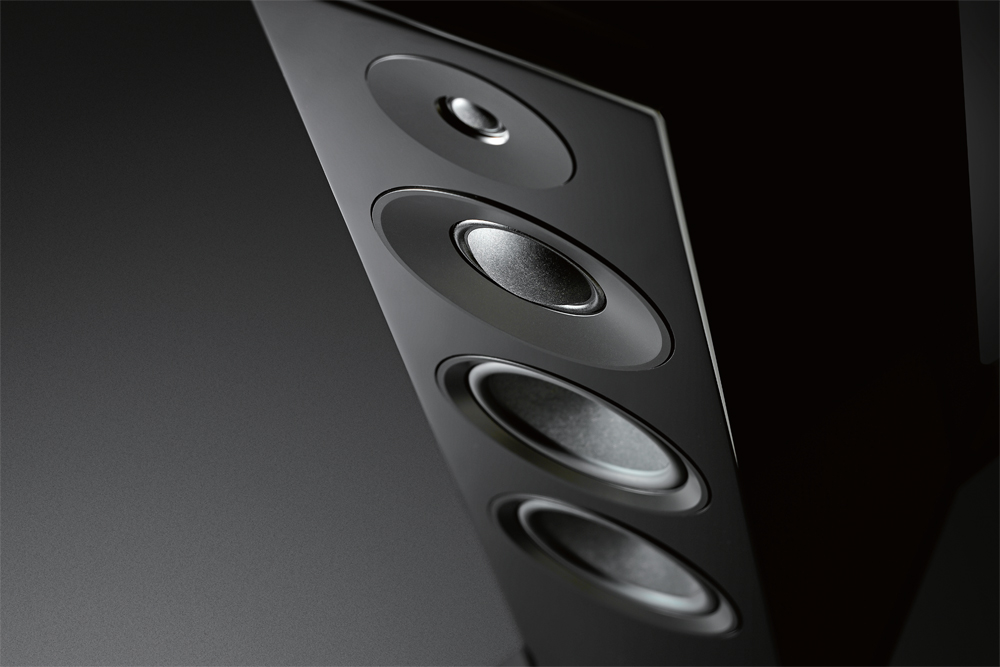
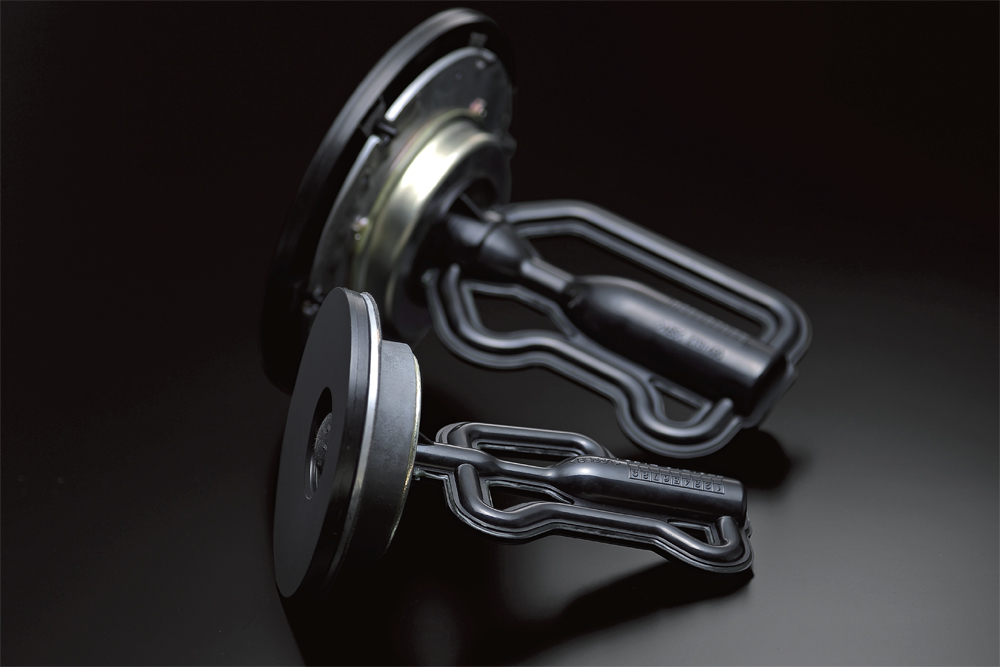
Yamaha’s Harmonious Diaphragm—Zylon and spruce blend, same tech as their grand pianos—is everywhere: two 160mm bass drivers, an 80mm mid, a 30mm tweeter, all built in-house or under strict Yamaha supervision. Even the spiders come from Germany’s Kurt Müller, whose transducer expertise is legendary. It’s a fusion of science, craft, and obsessive perfectionism.
Japanese Obsession
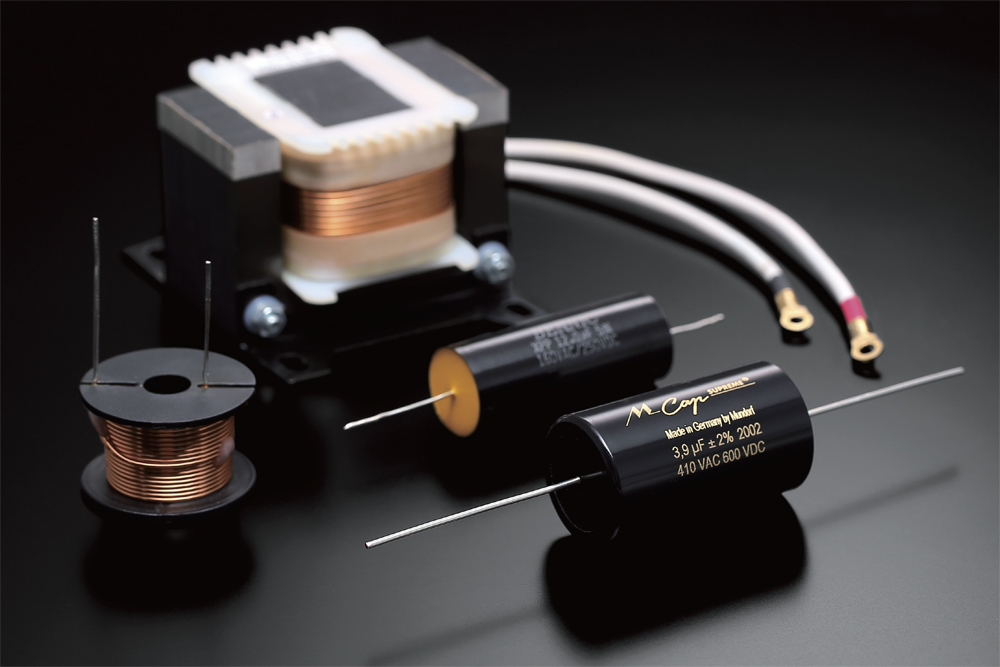
The NS-2000A uses tech from the NS-5000: pressure-equalising J-tubes, vibration suppression RS tubing, Mundorf MCap Supreme capacitors at 750 Hz and 3.5 kHz. Every choice is intentional. And the diaphragm? Built in Gifutoku, Gifu Prefecture, Japan, with water from the Itadori River. Sound silly? Maybe. But the pure water and meticulous conditions matter—it’s what gives these drivers their signature tone. They’re assembled in Indonesia, under Yamaha’s eagle-eyed standards. Nothing is left to chance.
Putting It to the Test
I ran a playlist designed to challenge: Dire Straits’ You and Your Friend for tonal nuance, Infected Mushroom’s Becoming Insane for chaos and energy, Michael Jackson’s Black and White for layered samples and dynamics. CD, DAC, tube amps, solid-state amps—the NS-2000A never flinched. It revealed every detail, but without the harshness that kills enjoyment. Dynamics were tight, timing flawless, tonal coherence uncanny.
Even complex arrangements, from Peter Gabriel’s Up to Extreme’s Decadence Dance, were rendered with cinematic clarity. Rain, piano, thunder, mechanical noise—every element was defined, every transient fast, yet musical. These speakers didn’t just reproduce sound—they translated emotion.
The Bigger Picture
We live in an era where price tags dictate taste, and loudspeakers are fetishised like fine wine. Men in leather chairs decide what’s “high-end,” dismissing real-world performance, evolving tastes, and modern production. It’s nonsense. Yamaha’s NS-2000A doesn’t care about your ego. It cares about music. It cares about storytelling. It’s about letting you fall in love again with the magic.
Are they “giant killers”? Maybe. But more importantly, they bring you back to the child in yourself who loves music, who dances in front of the speakers even at 76, who believes in wonder. These aren’t just speakers. They’re a bridge to joy, a reminder that sound is art, and technology, when wielded with obsession and respect, is magic.
So, if you sit down in front of the NS-2000A and don’t smile, check your pulse. Yamaha just reminded us why music matters, why sound matters, and why craftsmanship is timeless.
The Bigger Picture
We live in an era where price tags dictate taste, and loudspeakers are fetishised like fine wine. Men in leather chairs decide what’s “high-end,” dismissing real-world performance, evolving tastes, and modern production. It’s nonsense. Yamaha’s NS-2000A doesn’t care about your ego. It cares about music. It cares about storytelling. It’s about letting you fall in love again with the magic.
Are they “giant killers”? Maybe. But more importantly, they bring you back to the child in yourself who loves music, who dances in front of the speakers even at 76, who believes in wonder. These aren’t just speakers. They’re a bridge to joy, a reminder that sound is art, and technology, when wielded with obsession and respect, is magic.
So, if you sit down in front of the NS-2000A and don’t smile, check your pulse. Yamaha just reminded us why music matters, why sound matters, and why craftsmanship is timeless.